Few sporting ventures have transformed a game as quickly or as thoroughly as the Indian Premier League has transformed cricket. Launched in 2008 by the Board of Control for Cricket in India, the Twenty20 franchise competition has grown from a bold commercial experiment into one of the richest and most-watched sports leagues on the planet, with matches now broadcast in more than 100 countries and a business model that other cricketing nations have scrambled to replicate.
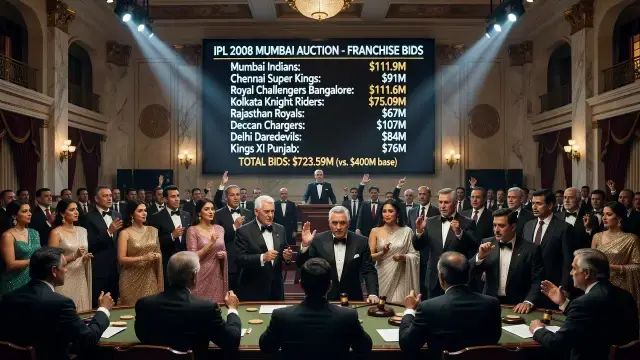
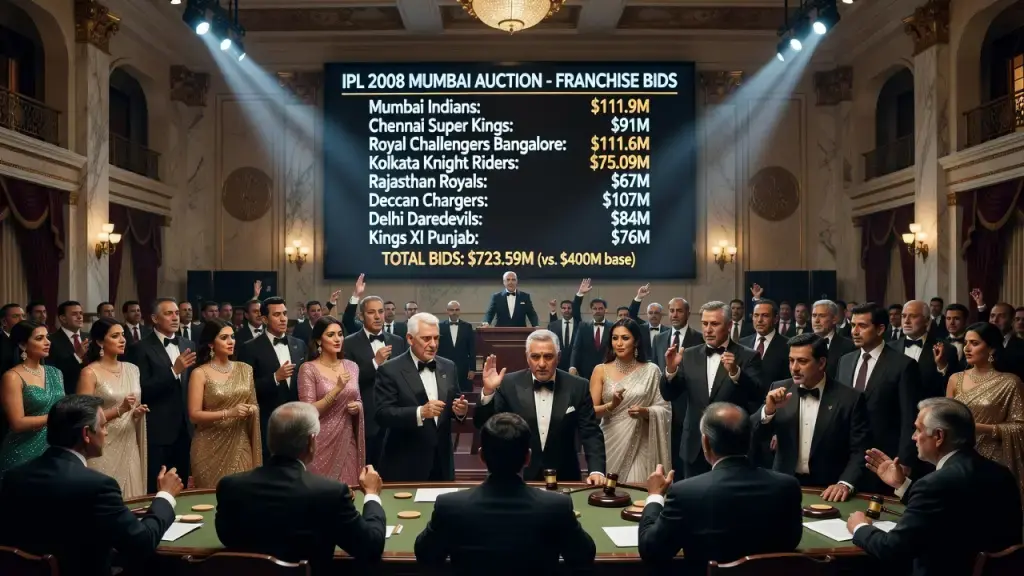
The scale of ambition was evident from the very first auction, held in Mumbai in January 2008, when Bollywood stars, media conglomerates and major corporations competed for ownership of eight franchises. The bidding generated $723.59 million, almost double the organizers' combined base price of $400 million, with the Mumbai franchise alone fetching $111.9 million. That financial appetite has only intensified since, turning the league into a magnet for broadcasters, sponsors and fans who increasingly follow the action through the same digital platforms that host entertainment products such as ezugi andar bahar, reflecting how sport and online entertainment now share overlapping audiences across South Asia and beyond. The eight founding teams - Mumbai Indians, Chennai Super Kings, Royal Challengers Bangalore, Deccan Chargers, Delhi Daredevils, Kings XI Punjab, Kolkata Knight Riders and Rajasthan Royals - set the template for a league built on city-based identity and star power rather than historic cricketing tradition.
A League Reshaped by Expansion and Upheaval
The IPL's structure has never stood still. Rajasthan Royals and Kings XI Punjab were briefly suspended in 2010 over ownership breaches before returning for 2011, the same year Pune Warriors India and Kochi Tuskers Kerala joined an expanded ten-team field. Kochi lasted a single season before termination, and the Deccan Chargers franchise was axed in 2012, paving the way for Sunrisers Hyderabad. Pune Warriors withdrew in 2013 amid financial disputes, while a 2015 spot-fixing and betting scandal led to two-season bans for Chennai Super Kings and Rajasthan Royals, temporarily replaced by Rising Pune Supergiant and Gujarat Lions. Both returned in 2018, and the competition reached its current ten-team format in 2022 with the arrival of Gujarat Titans and Lucknow Super Giants.
Format, Controversy and Lasting Influence
Today's IPL uses a double round-robin group stage feeding into a four-team playoff system - Qualifier 1, the Eliminator, Qualifier 2 and the final - designed to reward consistency while preserving late-season drama. Teams are seeded into two groups based on historical performance, each playing 14 league matches before the knockouts begin. The competition's growth has not been without blemish: the 2013 spot-fixing scandal implicated players, officials and bookmakers, resulting in arrests, lifetime bans for three cricketers, and sanctions against franchise owners. Critics have also questioned the league's effect on domestic cricket calendars and the wages paid to overseas stars, even as its defenders point to the platform it has given young Indian talent.
A Blueprint Copied Worldwide
The IPL's commercial template inspired the Women's Premier League, launched in March 2023 and won in its debut season by Mumbai Indians, as well as franchise leagues abroad such as Australia's Big Bash League and the Caribbean Premier League. Whatever the controversies along the way, the IPL's influence on how cricket is packaged, broadcast and monetized remains without parallel in the sport's history.